Nature's Beauty: Stunning Landscape Photography Showcase

Nature has a way of captivating us. From the towering mountains to the serene lakes, every corner of the earth offers a unique beauty. Landscape photography allows us to capture these moments and share them with the world. In this post, we will explore some stunning examples of landscape photography, discuss techniques to improve your own skills, and inspire you to get out there and capture the beauty of nature.
The Allure of Landscape Photography
Landscape photography is more than just taking pictures of pretty places. It is about telling a story through the lens. Each photograph can evoke emotions, transport viewers to distant lands, and inspire a sense of wonder.
When you look at a breathtaking landscape photo, you might feel a sense of peace or adventure. This emotional connection is what makes landscape photography so powerful. It invites us to appreciate the world around us and encourages us to explore new places.
Essential Gear for Landscape Photography
To capture stunning landscapes, having the right gear is essential. Here are some key items to consider:
Camera: A DSLR or mirrorless camera is ideal for landscape photography. These cameras offer better image quality and more control over settings.
Lenses: A wide-angle lens is perfect for capturing expansive scenes. A telephoto lens can help you focus on distant details.
Tripod: A sturdy tripod is crucial for long exposure shots and to keep your camera steady in windy conditions.
Filters: Neutral density filters can help manage light and enhance colors. Polarizing filters reduce glare and improve contrast.
Extra Batteries and Memory Cards: Always be prepared for long shoots by bringing extra power and storage.
Techniques for Capturing Stunning Landscapes
Now that you have the right gear, let’s explore some techniques to elevate your landscape photography.
1. Understand the Golden Hour
The golden hour refers to the time shortly after sunrise and before sunset. During this time, the light is soft and warm, creating beautiful shadows and highlights.
Plan your shoots around these times to capture the best light. The colors during the golden hour can transform a simple scene into something magical.
2. Composition Matters
Good composition can make or break a photograph. Here are some tips to improve your composition:
Rule of Thirds: Imagine dividing your frame into a 3x3 grid. Place key elements along these lines or at their intersections.
Leading Lines: Use natural lines in the landscape, like roads or rivers, to guide the viewer’s eye through the image.
Framing: Use elements in the foreground to frame your subject. This adds depth and interest to your photos.
3. Experiment with Different Perspectives
Don’t be afraid to change your viewpoint. Get low to the ground for a unique perspective or climb to a higher vantage point for a sweeping view.
Different angles can completely change the mood of your photograph. Explore various perspectives to find the most compelling shot.
4. Use Long Exposures
Long exposure photography can create stunning effects, especially with moving water or clouds.
To achieve this, use a tripod and a low ISO setting. A neutral density filter can help reduce light, allowing for longer exposure times without overexposing the image.
5. Post-Processing Techniques
Editing your photos can enhance their beauty. Use software like Adobe Lightroom or Photoshop to adjust exposure, contrast, and colors.
Be careful not to overdo it. The goal is to enhance the natural beauty of the landscape, not to create an unrealistic image.
Showcasing Stunning Landscape Photography
Let’s take a moment to appreciate some stunning examples of landscape photography. Each of these images tells a story and captures the essence of nature’s beauty.
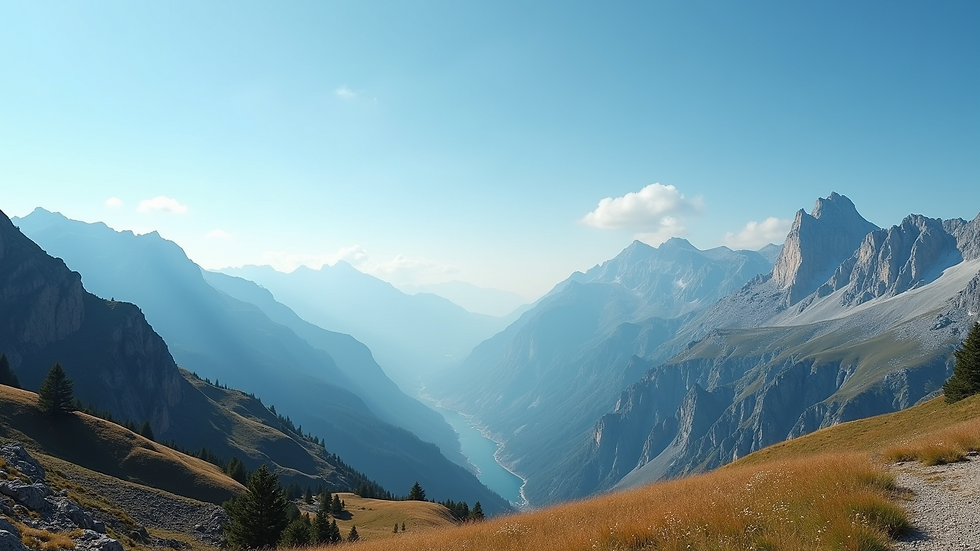
1. Majestic Mountains
Mountains are a favorite subject for landscape photographers. Their grandeur and majesty can be awe-inspiring.
When photographing mountains, consider the time of day and weather conditions. Dramatic clouds or a colorful sunset can add depth and interest to your images.
2. Tranquil Lakes
Lakes offer a unique opportunity for reflection shots. The stillness of the water can create a mirror-like effect, doubling the beauty of the landscape.
Look for interesting foreground elements, like rocks or plants, to add depth to your composition.
3. Lush Forests
Forests are full of life and color. Capturing the intricate details of trees, leaves, and wildlife can create stunning images.
Consider using a shallow depth of field to focus on specific elements while blurring the background. This technique can add a dreamy quality to your photos.
4. Vibrant Deserts
Deserts may seem barren, but they offer unique beauty. The colors of the sand, rocks, and sky can create striking contrasts.
Photographing during the golden hour can enhance the warm tones of the landscape. Look for interesting patterns in the sand or unique rock formations.
5. Coastal Wonders
Coastal landscapes provide endless opportunities for stunning photography. The interplay of land and sea can create dramatic scenes.
Experiment with long exposures to capture the movement of waves. This can create a soft, ethereal effect that enhances the beauty of the coastline.
Inspiring Landscape Photographers to Follow
If you are looking for inspiration, here are a few landscape photographers to check out:
Ansel Adams: Known for his black and white landscape photography, Adams captured the beauty of the American West.
Galen Rowell: A pioneer in adventure photography, Rowell’s work showcases the beauty of nature in remote locations.
Marc Adamus: Known for his vibrant colors and dramatic compositions, Adamus captures stunning landscapes around the world.
Following these photographers can provide inspiration and insight into different techniques and styles.
Getting Started with Your Own Landscape Photography
Now that you have the knowledge and inspiration, it’s time to get out there and start capturing your own stunning landscapes. Here are some tips to help you get started:
Choose Your Location: Research local parks, mountains, or lakes. Find places that inspire you and offer unique landscapes.
Plan Your Shoot: Check the weather and plan your shoot around the golden hour. Bring your gear and be prepared for changing conditions.
Practice, Practice, Practice: The more you shoot, the better you will become. Experiment with different techniques and styles.
Share Your Work: Don’t be afraid to share your photos on social media or photography forums. Feedback can help you grow as a photographer.
Embracing Nature's Beauty
Landscape photography is a wonderful way to connect with nature. It allows us to appreciate the beauty that surrounds us and share it with others.
Whether you are a beginner or an experienced photographer, there is always something new to learn and explore. So grab your camera, head outside, and start capturing the stunning landscapes that inspire you.
Remember, every photograph tells a story. What story will you tell through your lens?

Comments