Capturing Urban Artistry: Model Photography Insights

Urban environments are a treasure trove of creativity. From vibrant murals to striking architecture, cities offer a unique backdrop for model photography. This blog post will explore how to effectively capture urban artistry through model photography. We will discuss techniques, tips, and the importance of location, lighting, and composition.
Urban art is not just about the visuals; it tells a story. Each wall, each corner, and each shadow has a narrative waiting to be uncovered. As a photographer, your job is to bring that story to life.
Let’s dive into the world of urban artistry and model photography.
Understanding Your Environment
Before you even pick up your camera, take a moment to observe your surroundings. Urban environments are dynamic and ever-changing.
Look for unique locations: Seek out spots that resonate with the theme of your shoot. This could be a graffiti-covered wall, an abandoned building, or a bustling street market.
Consider the mood: The environment sets the tone for your photos. A gritty alleyway might evoke a different feeling than a sunny park.
Scout ahead: If possible, visit the location before the shoot. This allows you to plan your shots and identify the best angles.
By understanding your environment, you can create a more cohesive and impactful series of images.
Choosing the Right Model
The model you choose can significantly influence the outcome of your shoot.
Look for versatility: A model who can adapt to different poses and expressions will help convey the story you want to tell.
Consider their style: The model's clothing and overall aesthetic should complement the urban backdrop.
Build rapport: Establishing a connection with your model can lead to more natural and engaging photos.
Take the time to communicate your vision and encourage them to express themselves.
Lighting Matters
Lighting is one of the most critical aspects of photography. In urban settings, natural light can be both a friend and a foe.
Golden hour: The hour after sunrise and before sunset provides soft, warm light. This is often the best time for outdoor shoots.
Shadows and highlights: Urban environments can create interesting shadows. Use them to add depth and dimension to your photos.
Experiment with artificial light: If you are shooting at night or in low-light conditions, consider using flash or portable lights to enhance your images.
Understanding how to manipulate light will elevate your photography skills.
Composition Techniques
Composition is key to creating visually appealing photographs. Here are some techniques to consider:
Rule of thirds: Imagine your frame divided into nine equal parts. Place your subject along these lines or at their intersections for a balanced composition.
Leading lines: Use elements in the environment, like roads or fences, to guide the viewer's eye toward the model.
Framing: Look for natural frames within the environment, such as doorways or windows, to draw attention to your subject.
Experiment with different compositions to find what works best for your vision.
Incorporating Urban Art
Urban art can add a unique flair to your model photography.
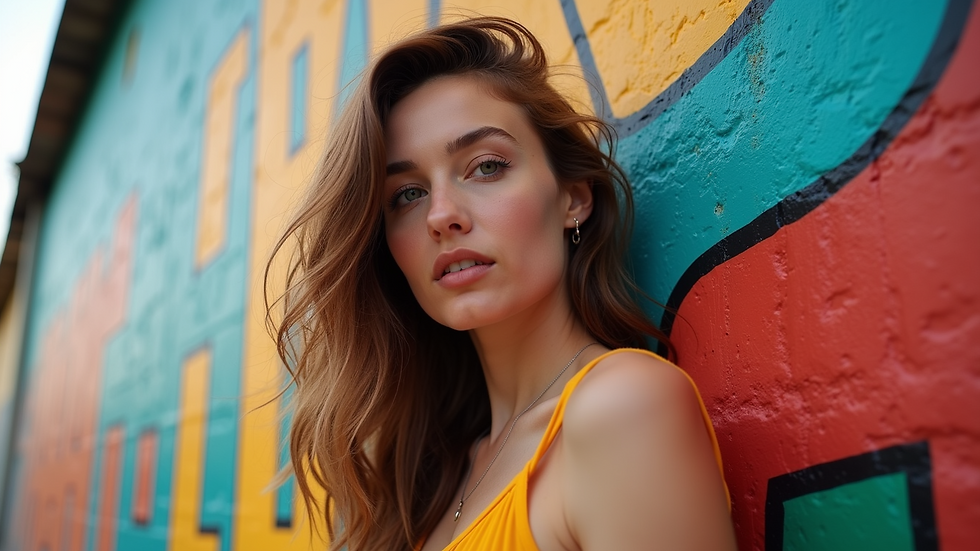
Find murals and street art: These vibrant backdrops can enhance the overall aesthetic of your photos.
Use art as a prop: Have your model interact with the art. This could mean posing in front of a mural or using a sculpture as a focal point.
Highlight the contrast: The juxtaposition of your model against urban art can create striking images.
By incorporating urban art, you can create a more dynamic and engaging visual narrative.
Post-Processing Tips
Once your shoot is complete, the work is not over. Post-processing is where you can refine your images.
Adjust exposure and contrast: Make sure your images are well-lit and have the right amount of contrast to make them pop.
Color correction: Ensure the colors are true to life or enhance them to create a specific mood.
Crop wisely: Sometimes, a simple crop can improve the composition and focus on the subject.
Post-processing is an essential step in bringing your vision to life.
Engaging with Your Audience
Sharing your work is just as important as creating it.
Use social media: Platforms like Instagram and Pinterest are great for showcasing your photography.
Tell a story: When you post your images, share the story behind them. This adds depth and engages your audience.
Seek feedback: Encourage comments and critiques. This can help you grow as a photographer.
Engaging with your audience can create a community around your work.
Final Thoughts
Urban artistry and model photography go hand in hand. By understanding your environment, choosing the right model, and mastering lighting and composition, you can create stunning images that tell a story.
Remember, photography is an art form. It takes practice and patience to develop your skills. Keep experimenting, keep learning, and most importantly, keep capturing the beauty of urban artistry.
As you embark on your photography journey, let the urban landscape inspire you. Each corner of the city holds potential, waiting for you to capture its essence. Happy shooting!
Comments